

Why Use Intermittently Bonded Ribbon (IBR) Fiber Cables?
Why the industry is pivoting from loose tube and flat ribbon to rollable, intermittently bonded architectures.
The shift to Intermittently Bonded Ribbon (IBR) is driven by the physical limits of traditional cables. By bonding ribbons only intermittently, cables like SmartRIBBON achieve a lower profile that packs more fiber into less space while enabling mass-fusion splicing speeds. This evolution is essential for supporting the rapid growth of AI training fabrics and hyperscale data center interconnects.
Performance Benchmarks
Transitioning to IBR architectures provides measurable improvements across labor, density, and signal speed.
85%
Splicing Time Reduction2x
Duct Fiber Density65%
Lighter Cable Weight2x
Reduction in Closure SizeThe Evolution of Ribbon
From labor-intensive legacy tubes to the intermittent ribbon era.
The Standard Era
Loose tube dominates OSP. Flat ribbon is available but less popular due than today.
The IBR Innovation
Intermittently bonded ribbon designs come to market from multiple vendors. IBR begins displacing flat ribbon in high-density metro loops.
Hyperscale Standardization
Tier-1 Cloud providers mandate IBR for DCI (Data Center Interconnect). Flat ribbon becomes a legacy tech largely limited to OSP telecom links.
The AI 'Perfect Storm'
AI training clusters drive a huge demand surge. Global IBR shortages combine with fiber shortagesto challenge supply chains.
Standard Loose Tube
- ✕Individual Splicing: Each fiber (1F) must be fused separately, increasing labor.
- ✕High Path Latency: 2–8% Excess Fiber Length (EFL) as a design constraint.
- ✕Rigid Buffering: Stiff tubes create significant ‘dead space’ in conduits.
- ✕Messy Prep: Petroleum-based gel requires extensive manual cleaning time.
SmartRIBBON™ IBR
- ✓Mass Fusion: 12F ribbons are spliced simultaneously, slashing install time.
- ✓Ultra-Low Latency: Low EFL creates a shorter, faster optical path for AI.
- ✓Deformable Polymer: Tubes ’nest’ and flex to maximize fiber density.
- ✓Gel-Free Core: 100% dry construction for rapid, mess-free termination.
Real World Applications
Where high-density ribbon provides a competitive advantage.
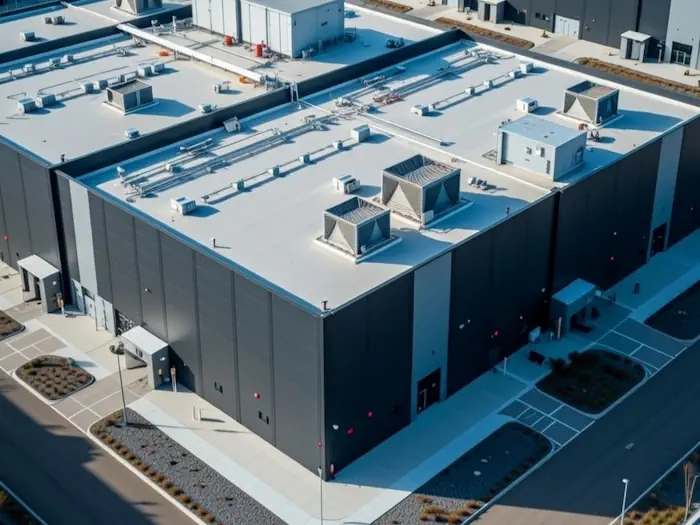
Data Center Interconnect
Providing high-density, low-latency links between hyperscale availability zones.
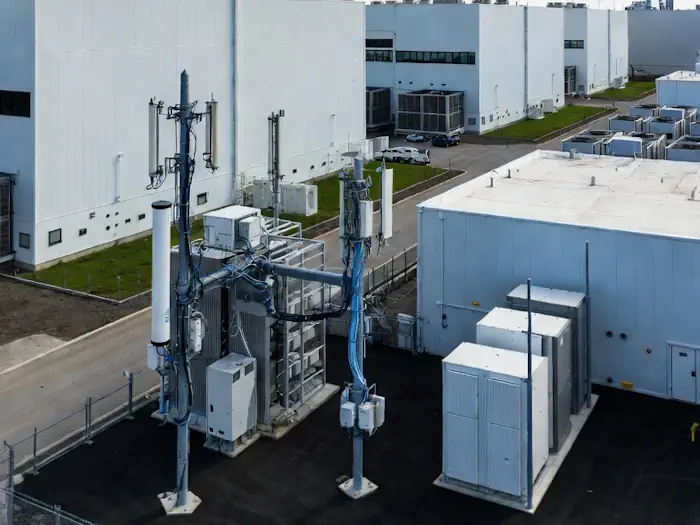
5G Metro Densification
Maximizing fiber counts in crowded metropolitan conduits where space is at a premium.
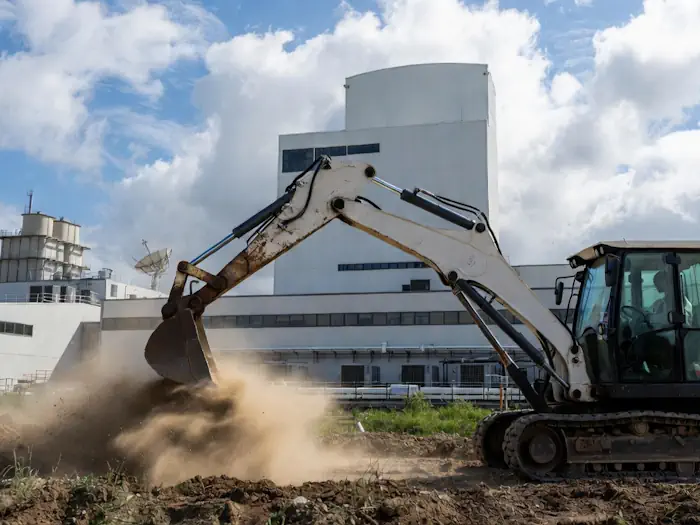
Network Restoration
Accelerating emergency repairs of high-count cables through 12-fiber mass fusion splicing.
Splicing Labor Hours (1728F Deployment)
Labor Efficiency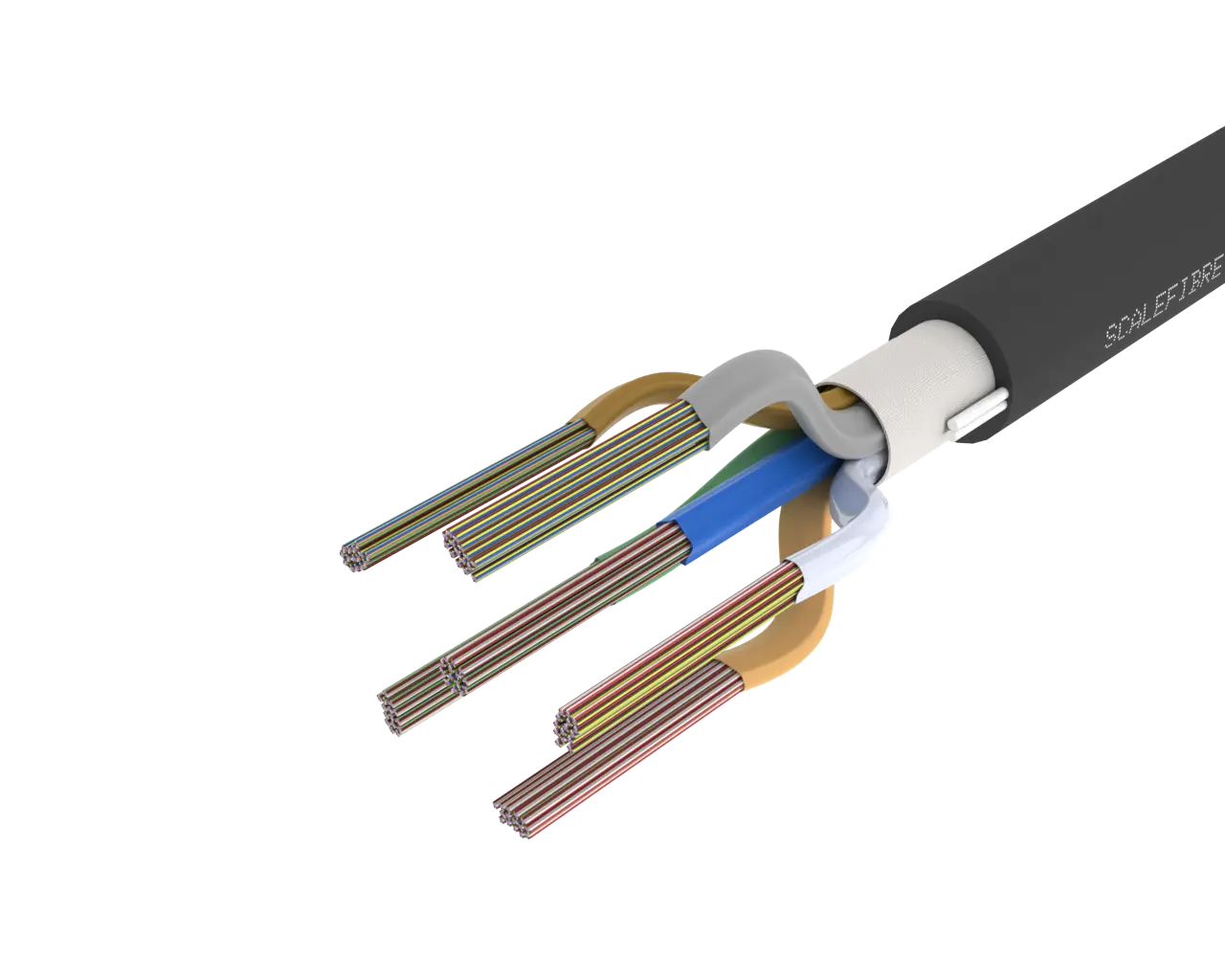
Cavo in fibra ottica SmartRIBBON™
Cavo a nastro ad altissima densità con struttura flessibile, progettato per ottimizzare lo spazio, per la giunzione rapida tramite fusione di massa o per la giunzione di singole fibre nelle reti di …
Explore SmartRIBBON RangeSmartRIBBON™ Cable Types
Match your ribbon density with the right environmental protection. From flame-retardant indoor runs to direct-buried harsh environments.
Indoor/Outdoor
LSZH (Flame Retardant)The universal choice for campus backbones. Transition from outdoor ducts directly into indoor spaces without a secondary splice point.
- LSZH (Low Smoke Zero Halogen) Jacket
- Meets IEC 60332-3-24 flame test criteria
- Eliminates building-entry transition splices
Outdoor
PE (High Durability)Engineered for maximum longevity in outside plant (OSP). The robust Polyethylene jacket provides the best resistance to moisture and extreme temperature swings.
- Polyethylene (PE) Jacket
- Lowest friction for long-distance jetting
- UV stabilised for environmental resistance
Armoured
Metallic (Rodent Resistant)The heavy-duty variant for direct burial or high-risk areas. Corrugated steel armor provides a physical barrier against rodents and crushing forces.
- Corrugated steel tape (CST) armor
- Exceptional crush and rodent resistance
- Physical barrier against rodent/crush damage
The shift to Intermittently Bonded Ribbon is driven by the physical limits of traditional cables. With precise, intermittent bonding we achieve a low diamter cable that finally makes high-count fiber manageable.
Technical FAQ
Get Your Fiber Backbone Future-Ready
Upgrade to SmartRIBBON for unmatched density, speed, and labor efficiency.
Request a Technical QuoteSpeak with our engineering team about your next high-density deployment.